- Today
- Holidays
- Birthdays
- Reminders
- Cities
- Atlanta
- Austin
- Baltimore
- Berwyn
- Beverly Hills
- Birmingham
- Boston
- Brooklyn
- Buffalo
- Charlotte
- Chicago
- Cincinnati
- Cleveland
- Columbus
- Dallas
- Denver
- Detroit
- Fort Worth
- Houston
- Indianapolis
- Knoxville
- Las Vegas
- Los Angeles
- Louisville
- Madison
- Memphis
- Miami
- Milwaukee
- Minneapolis
- Nashville
- New Orleans
- New York
- Omaha
- Orlando
- Philadelphia
- Phoenix
- Pittsburgh
- Portland
- Raleigh
- Richmond
- Rutherford
- Sacramento
- Salt Lake City
- San Antonio
- San Diego
- San Francisco
- San Jose
- Seattle
- Tampa
- Tucson
- Washington
FAA Mandates Radar Separation for Helicopters and Planes After Deadly DC Midair Collision
New guidelines require air traffic controllers to use radar to maintain safe distances between helicopters and airplanes at over 150 of the nation's busiest airports.
Mar. 18, 2026 at 8:30pm
Got story updates? Submit your updates here. ›
The Federal Aviation Administration has announced new guidelines requiring air traffic controllers to use radar, not just visual checks, to ensure that helicopters maintain a safe distance from arriving and departing airplanes. This comes in the wake of a fatal midair collision near Washington, D.C. last year that killed 67 people, as well as recent near-misses involving helicopters and airplanes at other busy airports.
Why it matters
The new FAA guidelines are a direct response to the deadly midair collision near Washington, D.C. in 2025 that highlighted an overreliance on pilots to visually spot and avoid other aircraft. The FAA is proactively addressing this safety issue to prevent future tragedies involving helicopters and airplanes around busy airports.
The details
Under the new FAA guidelines, air traffic controllers must use radar to keep helicopters and airplanes apart by specific lateral or vertical distances at more than 150 of the nation's busiest airports. This extends a restriction already in place at Ronald Reagan Washington National Airport. The FAA says recent near-misses, including incidents in San Antonio and Hollywood Burbank, show that previous reliance on 'see and avoid' operations by pilots has failed to provide adequate protection.
- The new FAA guidelines were announced on March 18, 2026.
- The deadly midair collision near Washington, D.C. occurred in January 2025.
- A near-miss incident involving a police helicopter and an American Airlines flight happened on February 27, 2026.
- Another close call between a helicopter and a small aircraft occurred on March 2, 2026 at Hollywood Burbank Airport.
The players
Federal Aviation Administration (FAA)
The U.S. government agency responsible for the regulation and oversight of civil aviation.
Bryan Bedford
The FAA Administrator who announced the new guidelines.
American Airlines
The commercial airline involved in the deadly midair collision near Washington, D.C. as well as the near-miss incident in San Antonio.
What they’re saying
“Today, we are proactively mitigating risks before they affect the traveling public.”
— Bryan Bedford, FAA Administrator
What’s next
The FAA will monitor compliance with the new radar separation requirements at the over 150 affected airports across the country.
The takeaway
The FAA's new guidelines represent a significant shift in air traffic control procedures, moving away from reliance on visual 'see and avoid' methods to a more proactive use of radar technology to maintain safe separation between helicopters and airplanes. This change is a direct response to recent fatal and near-miss incidents that highlighted the risks of the previous approach.
Wichita top stories


Wichita events

Mar. 20, 2026
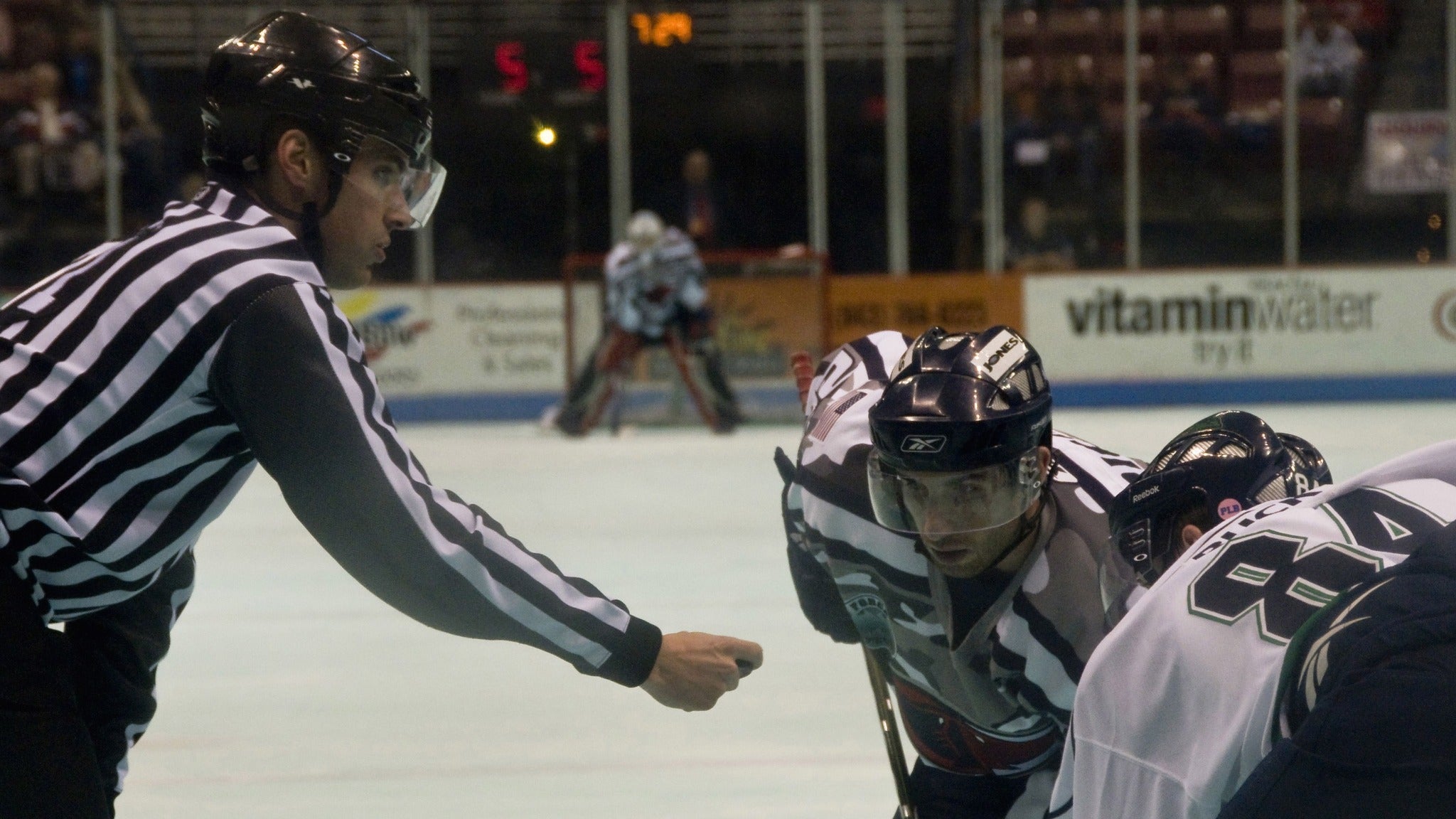
Wichita Thunder vs. Kansas City Mavericks